
High school is a time of growth, challenge, and preparation for the future. With multiple subjects, extracurricular activities, assignments, and exams, staying organised is crucial for reducing stress and improving performance. Effective organisation helps students manage their time efficiently, stay on top of coursework, and develop strong study habits that will benefit them in further education and beyond.
In this guide, we’ll explore essential strategies for staying organised in high school, focusing on structured note-taking, effective timetabling, using subject folders, implementing color-coding techniques, and creating an optimal study space.
Whether you’re just starting Year 7, or about to commence your HSC, read on for our tips on how to stay organised and ontop of your work, in order to achieve success.
Being organised isn’t just about having neat notes or a colour-coded planner. It’s a skill that shapes how effectively students learn, manage their time, and handle the growing demands of high school. When organisation is missing, schoolwork becomes chaotic. Tasks pile up, deadlines sneak up, stress rises, and students often feel like they’re constantly “catching up.”
But when a student builds strong organisational habits, everything changes. They move from overwhelmed to in control. Their study sessions are more productive, their stress decreases, and they gain confidence in their ability to keep up and perform well.
A well-organised student:
Being organised is a skill that can be taught, practiced, and strengthened. When students learn how to organise their time, resources, and workload, they set themselves up for better grades and a healthier school–life balance.
Now, let’s explore the essential organisational strategies every high school student should know.
Taking notes is a fundamental skill in high school, but many students struggle with disorganised, incomplete, or ineffective notes. Organised notes help students retain information, making revision much easier before exams. A structured approach to note-taking ensures that students capture key ideas and explanations efficiently.
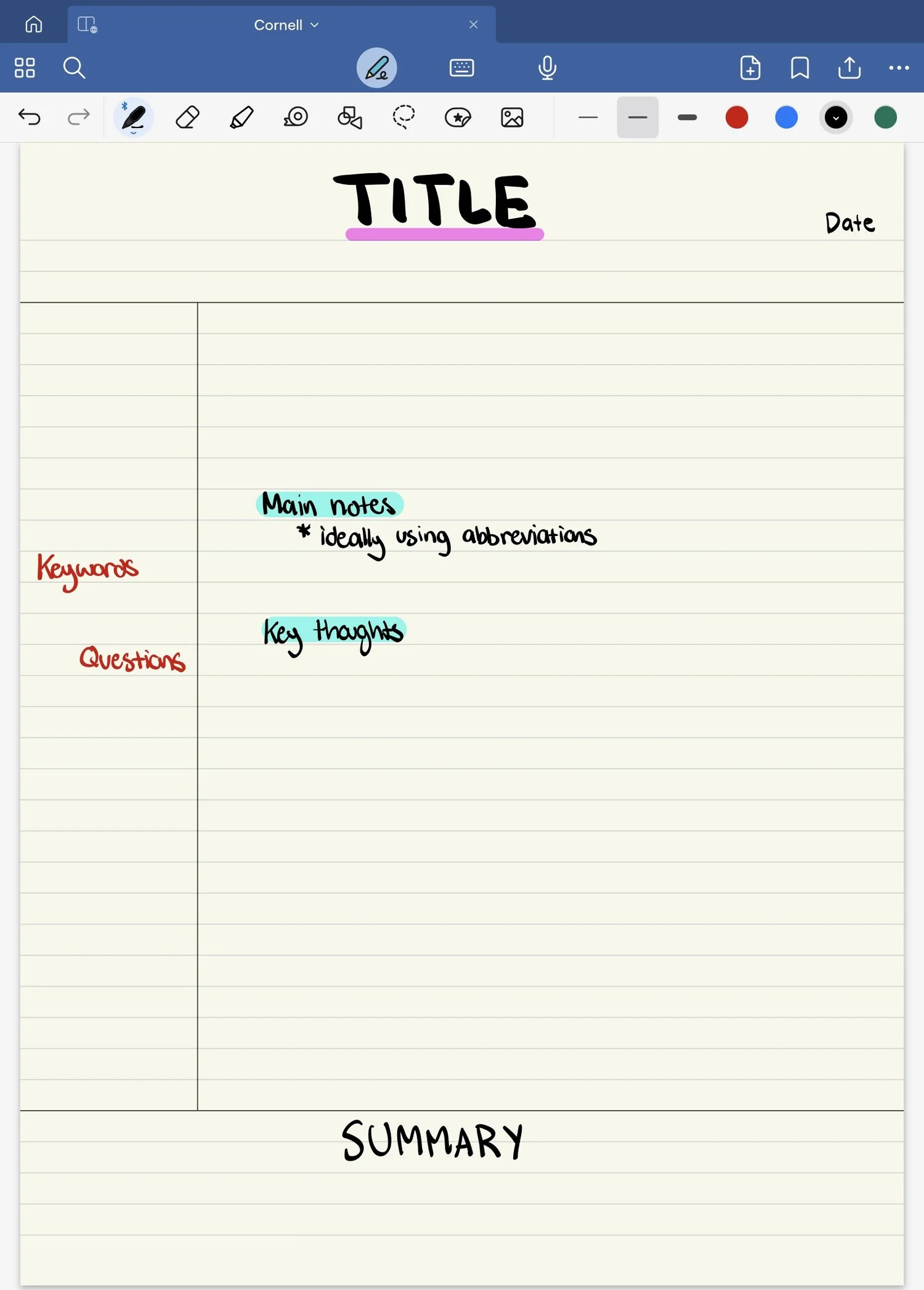
A great method to follow is the Cornell Method, which divides notes into key points, supporting details, and a summary section. This helps students review and reinforce learning more effectively. Mind maps are also useful for visual learners, as they allow connections between different concepts to be clearly illustrated. Outlining notes with bullet points or numbering keeps information structured and easy to read.
Another essential factor in note-taking is reviewing and revising notes regularly. Taking notes isn’t just about recording information; it’s about actively engaging with the material. Going back over notes, summarising key concepts in your own words, and discussing topics with classmates can significantly improve retention.

Tips for Organized Notes
The Cornell Method is a note-taking system designed to improve comprehension and retention. It structures notes into three sections:
This method encourages active learning, makes reviewing easier, and helps organise information effectively.
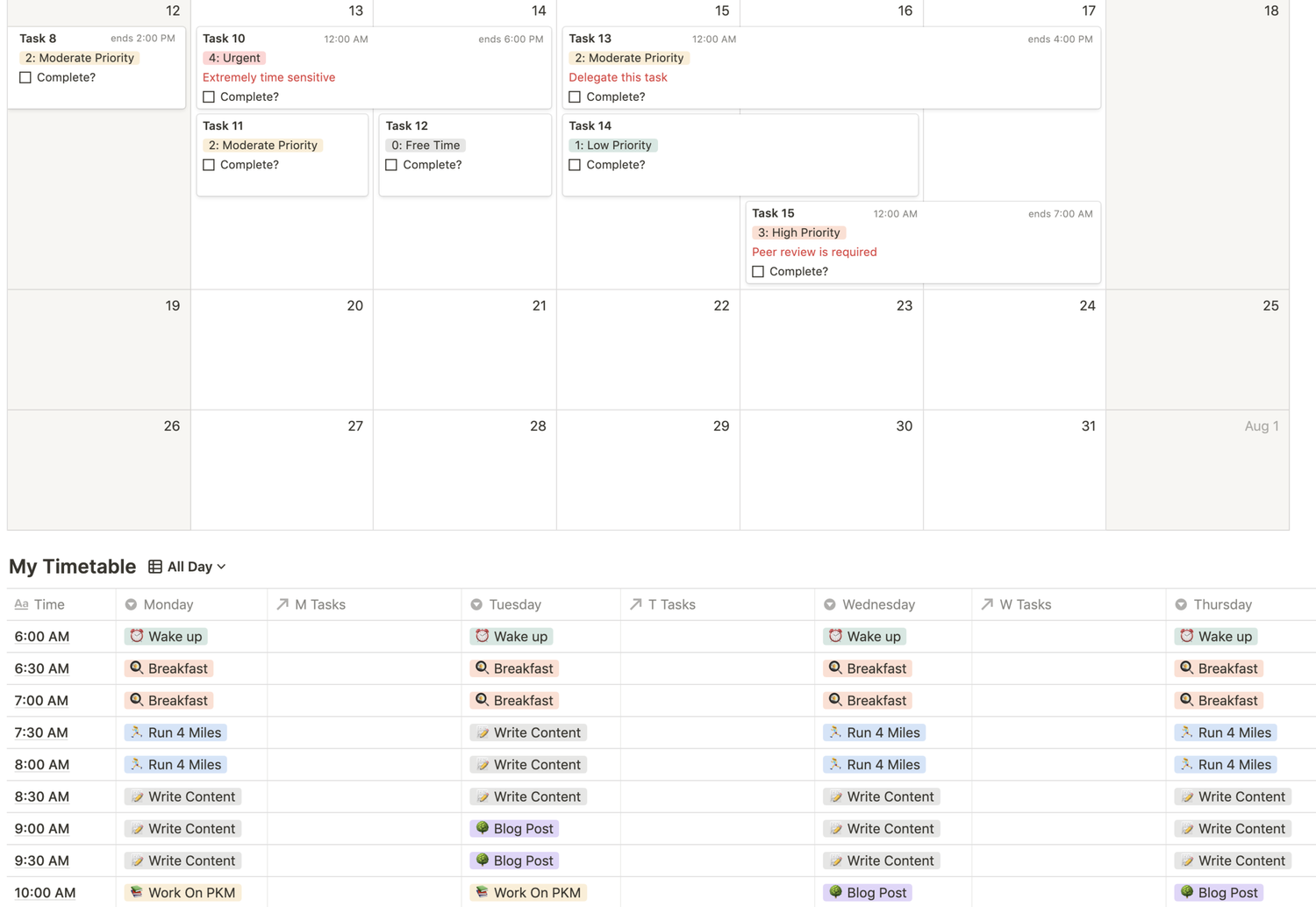
A timetable helps students balance schoolwork, extracurriculars, and personal time. Without a plan, it’s easy to fall into the habit of cramming or missing deadlines. Establishing a clear schedule ensures that study time is used effectively and reduces stress before exams.
To build a strong timetable, students should begin by assessing their weekly schedule, listing out classes, extracurricular commitments, and study time. Prioritising subjects based on difficulty is key, as some require more frequent review than others. Time-blocking can help allocate specific time slots for studying and breaks, preventing burnout and enhancing productivity.
The 80/20 Rule (Pareto Principle) is a powerful study strategy that helps students maximise efficiency by focusing on the most impactful tasks. It suggests that 80% of results come from just 20% of efforts, meaning that not all study activities contribute equally to success. To apply this principle effectively:
How to schedule effectively
Set aside time each week to plan your upcoming schedule.
Having dedicated folders for each subject is an underrated yet highly effective organisational tool. Whether using physical binders or digital folders, this system keeps notes, worksheets, and assignments in order. Without a clear filing system, important materials can easily be misplaced, leading to unnecessary stress.
Students can organise their subject folders by categorising them into sections such as class notes, homework, and revision materials. Digital folders are equally useful, allowing for easy access to past assignments and supplementary resources. Keeping materials well-sorted ensures that revision is efficient and that nothing is overlooked before an exam.
It’s also beneficial to review folders at the end of each term, removing outdated or unnecessary documents and reorganising materials to align with upcoming coursework.
Benefits of Subject Folders:


One of the most effective ways to stay organised and retain information is to establish a weekly revision routine. Many students leave revision until just before exams, leading to cramming and increased stress. Instead, setting aside time at the end of each week to review and refine notes ensures that information stays fresh and is easier to recall later.
Weekly revision sessions should involve reviewing class notes, consolidating key concepts, and identifying any areas of confusion. By summarising what was learned during the week, students reinforce their understanding and create a useful study resource for future exams. Additionally, fixing and organising notes at the end of each week prevents clutter and ensures that materials remain well-structured.
How it works:
A cluttered study environment can lead to distractions and reduced focus. A dedicated, well-organised study space creates a productive atmosphere that encourages learning. Ensuring that everything is set up correctly can significantly boost concentration and efficiency.
An effective study space should be quiet and free from distractions. Essential materials like textbooks, notebooks, and stationery should be within easy reach to minimise disruptions. Good lighting is also crucial, as dim lighting can strain the eyes and reduce focus. Lastly, ensuring that the study area is comfortable, but not overly cozy, helps maintain an ideal level of alertness.
Students should periodically declutter their study area and update their setup based on what works best for them.
How to Set Up an Ideal Study Space

.webp)
We’ve got an incredible team of tutors at Pinnacle Learners!
If you’re struggling to juggle school, organisation and homework, we’ll help you put systems in place to organise yourself and ace your assessments
Our one-on-one lessons are available online or in person at our office in Rozelle, giving students across Sydney’s Inner West (Balmain, Leichhardt and beyond) the support they need to excel.
Over the years, our students have boosted their results by 20% or more through expert guidance, proven strategies, and mentoring that goes beyond the textbook.